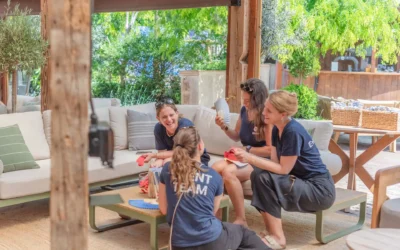
As a leader, how do you try to create a culture that supports mental wellbeing?
I try to lead by example and show our team that we truly mean what we say, that wellbeing matters here. I champion all of our flexible working policies, and I’m not afraid to use them in ways that work best for me. Whether it’s taking a midday gym break, picking my daughter up from nursery, or shifting my work hours, I want to model what balance can actually look like.
I share openly with the team about challenges I face, stresses I am managing, sleepless nights I have, and try to create a space where people can feel comfortable expressing their own challenges or struggles, both at home and work. I believe that normalising those conversations will help to create space for others to be honest and help change the wider narrative.
Beyond all this, I believe it’s my role as a leader and founder to always strive to learn and develop how we support employee wellbeing. So I ask questions, am curious, and always strive for better.
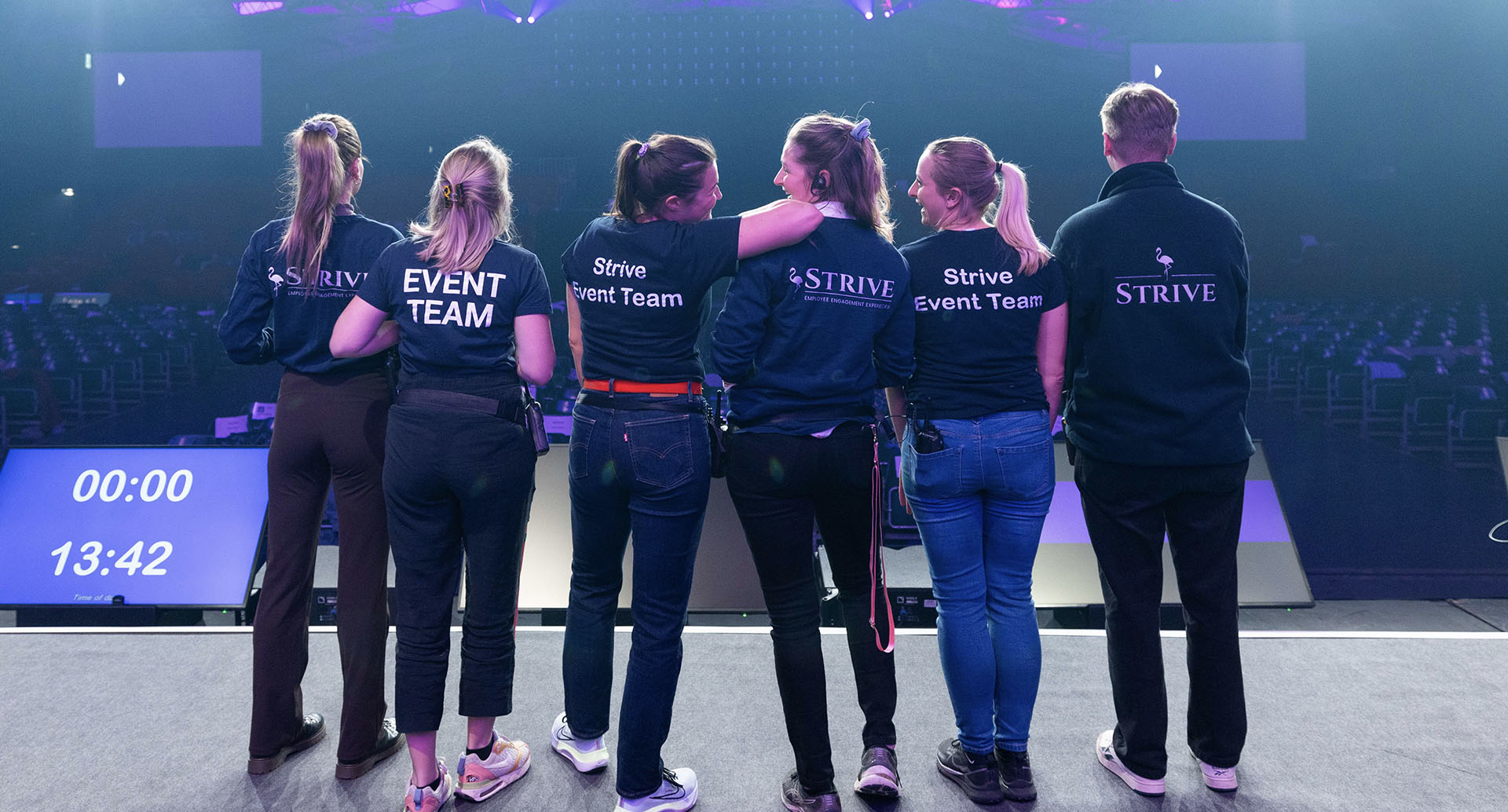
What initiatives or resources does the company offer to support employee wellbeing?
When we started Strive four years ago, we set out to build a culture that put our people first. In the fast-paced world of events, all too often, employee wellbeing falls by the wayside, but for us, it’s a non-negotiable.
We have some great initiatives in place that we believe help support employee wellbeing. Our unlimited holiday, work from anywhere, any time policies are all in place to ensure everyone can work in an environment that enables them to be their best. We fundamentally believe in output, not input, so there’s no time tracking or micromanagement in this team.
But beyond all our policies and best practices, it’s about people. We have regular 1-1 check-ins to ensure we create a space where the team can feel comfortable speaking about personal or professional challenges without judgment or consequence. Wellbeing, at its core, is about people feeling safe, seen, and supported.

Have you ever faced a period of burnout or high stress, and how did you navigate it?
As it happens, this topic feels particularly relevant right now. More so than ever before. I operate very well at a consistent high level of stress and don’t necessarily feel it; in fact, I think I thrive on it. But recently, my body has been telling me a different story. It’s time to reduce stress and prioritise myself a little more.
I went through a miscarriage recently, and of course, that’s been enormously emotionally and physically draining. It’s been one of the toughest things I’ve face,d and I don’t want to gloss over it. Just as I’d never expect a team member to pretend they are fine.
I’ve been open with the team about what I’m going through. I am vocalising my challenges to the team so that others can support me in putting boundaries in place, reducing notifications (Slack attacks, as I call them), and encouraging me to switch off.
I genuinely believe that as leaders, we need to model the behaviour we want to see. That includes being vulnerable, taking time out, and showing that it’s ok to not be ok.
We’re all human, and I firmly believe health, family and wellbeing come first.

Like what you’ve been reading?
Get in touch
Sign up to our newsletter
Follow our socials below